Not claimed, proven
We base our work on scientific findings, not on wellness claims. This page is therefore never anywhere near finished: we read, verify and add continuously, out of true curiosity about what scents can really do. If you do not want to miss anything, follow us on LinkedIn for regular updates.
Lemon balm and valerian: GABA transmission (Pineau et al., 2016)
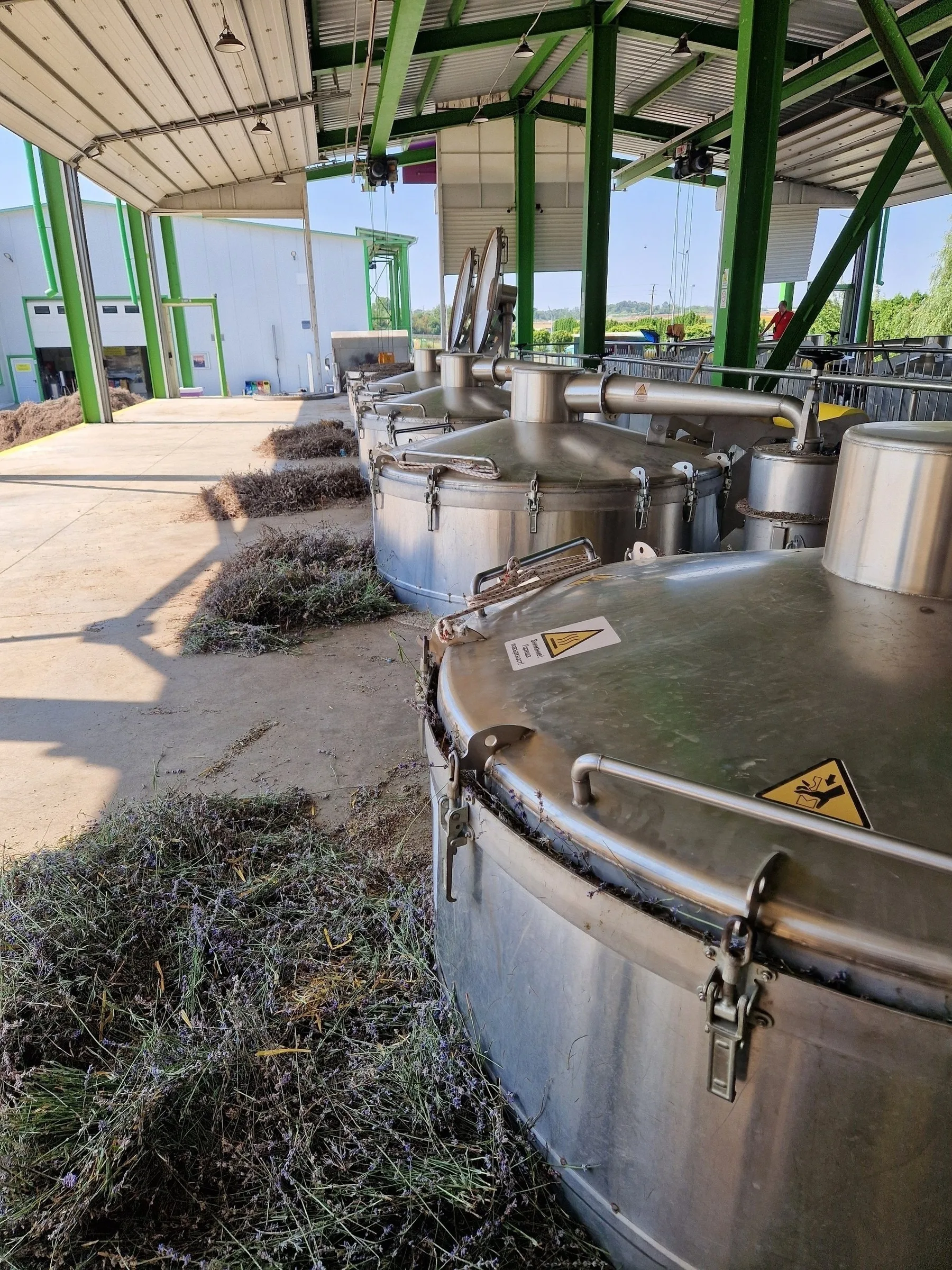
This research examines the calming effect of Melissa officinalis (lemon balm) and Valeriana officinalis (valerian) on the central nervous system. At its centre is the influence of both plants on GABA transmission, the most important inhibitory neurotransmitter system in the brain. Studies suggest that constituents such as rosmarinic acid (a phenolic compound that, despite its name, comes from lemon balm) and valerenic acids modulate GABA activity and can thus contribute to relaxation and sleep quality. In addition, preclinical models point to a possible inhibition of the enzyme GABA transaminase, which could raise GABA concentration in the brain. Initial clinical observations show that the combination of both plants can be helpful for inner restlessness, tension and mild sleep disorders. The authors stress, however, that the mechanisms are not yet fully understood and further studies are needed to confirm the effectiveness in humans.
Vanderbilt University: stress reduction through essential oils in nursing (2013)
In a 30-day initiative at Vanderbilt University Medical Center, the influence of essential oils on the wellbeing of nursing staff was examined. During this period essential oils were regularly diffused in the emergency department. The subsequent staff surveys showed clear improvements: the perception of work-related stress fell from 41 % to 3 %, while the feeling of being able to cope well with stress rose from 13 % to 58 %. Energy levels and general mood also improved noticeably. More than 90 % of respondents stated that the working environment had changed positively. The study shows that aromatherapy can contribute to a more positive working climate, even though the results are based on subjective statements and no control group was included.
UMC Perioperative Nursing: citrus oils and stress (poster, Vanderbilt University)
This IRB-reviewed (Institutional Review Board) project at Vanderbilt University examined how citrus oils affect perceived stress in the perioperative nursing area. Over a defined period, essential oils from citrus fruits were diffused in break rooms, including lemon, lime, bergamot, mandarin and orange. The measured stress score (Perceived Stress Scale) fell by a median of three points. The oils used contained well-known aromatic main constituents such as limonene and beta-pinene, which research associates with mood-lifting properties. Participants reported a more pleasant atmosphere and greater wellbeing at work. Even though the study did not include a control group, it provides practical evidence of the potential of essential oils to support staff in high-stress environments.
Boswellia: systematic scoping review (Pilkington & Pilkington, 2022)
This comprehensive review evaluated more than 650 scientific papers on Boswellia species, from laboratory investigations to clinical studies. The analysis shows a broad range of applications: anti-inflammatory, immunomodulating and cell-protecting effects are in the foreground. The boswellic acids AKBA and KBA are particularly well studied and showed clear anti-inflammatory effects in vitro and in vivo. Around 10 % of the studies recorded are clinical investigations in humans, mainly on chronic inflammatory diseases, joint pain and gut health. The authors stress that, despite promising data, standardisation of the extracts and more high-quality human studies are needed to better define dosages, effectiveness and safety. Boswellia is considered a promising herbal remedy with broad therapeutic potential.
To listen to: Bettina M. Pause on our sense of smell
Something to listen to, for a change. Our nose can do far more than we think, says Bettina M. Pause. She is one of the world’s leading scientists when it comes to our sense of smell. Since 2005 she has been professor of biological psychology and social psychology at Heinrich Heine University in Düsseldorf. Together with her team she researches the role our nose and our sense of smell play in our communication. Because our nose recognises not only the scent of fresh flowers or the stench of exhaust fumes, but also love, fear and aggression. If we all smelled more than we think, we would almost certainly be happier, writes Bettina M. Pause in her book “Alles Geruchssache” (It’s all a matter of smell).